

How to Extend Boiler Life with Annual Flush & Air Bleeds
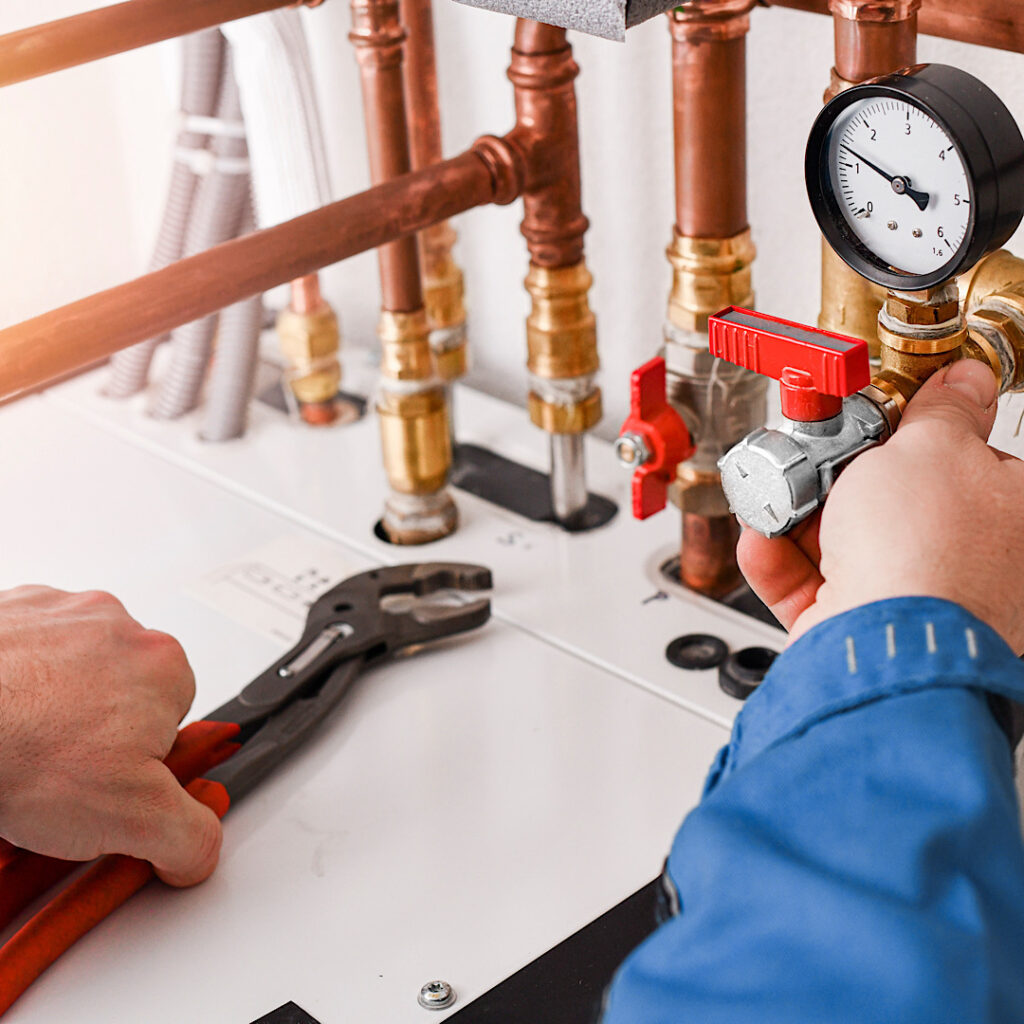
Boilers are the heart of many Denver homes, powering radiant floor systems and baseboard heaters that keep households comfortable through Colorado’s long winters. Unlike furnaces, which blow forced air, boilers use heated water to deliver steady, even warmth. Because they work under pressure and rely on clean water circulation, they require care to stay efficient and reliable. L & L Heating and Air Conditioning emphasizes that annual boiler flushes and air bleeds are two of the most effective ways to extend the lifespan of your heating system, whether you’re a hands-on homeowner or prefer leaving the job to professionals.
A well-maintained boiler runs more quietly, delivers consistent heat, and avoids costly repairs caused by sediment buildup or trapped air pockets. According to the U.S. Department of Energy, heating accounts for more than 40% of home energy use in colder climates, which means efficiency matters. Simple steps like flushing and bleeding the boiler annually can keep those energy bills manageable while protecting your investment.
Why Boiler Maintenance Matters in Colorado
Denver’s cold, dry climate puts extra demand on heating systems. Radiant and baseboard boilers often run for months without a break, circulating thousands of gallons of water through pipes and emitters. Over time, minerals in water settle inside the boiler and pipes, forming sediment. This buildup reduces efficiency, forces the system to work harder, and may eventually corrode critical components.
Another common issue is trapped air in the system. Air pockets prevent hot water from circulating properly, leading to noisy operation, uneven heating, and cold spots in the home. Left unchecked, these bubbles can cause strain on pumps and shorten the lifespan of your boiler.
In my own experience with a radiant floor system in Denver, failing to flush and bleed the boiler regularly led to uneven heating in one zone. Once the air was removed and the system was flushed, the difference was immediate — quieter operation, balanced warmth, and noticeably lower energy use.
What an Annual Boiler Flush Does
An annual boiler flush removes sediment and mineral deposits that collect inside the system. When performed correctly, a flush:
- Restores efficiency. Clean water transfers heat more effectively, reducing fuel use.
- Prevents corrosion. Sediment can damage heat exchangers and pipes if left in place.
- Extends equipment life. Regular cleaning helps boilers reach their full lifespan of 15–30 years.
- Reduces noise. Sediment causes popping or rumbling sounds when water boils unevenly.
Professional technicians like those at L & L Heating and Air Conditioning use specialized equipment to safely drain, flush, and refill the system with clean water, sometimes adding conditioners that prevent scale buildup. For DIY-minded homeowners, small flushes can be done by attaching a hose to the boiler drain and carefully releasing water, but full system flushes are best handled by a professional to ensure safety and completeness.
Why Air Bleeding Is Just as Important
Flushing addresses water quality, but air bleeding addresses circulation. Radiant and baseboard systems rely on sealed water loops. When air becomes trapped inside, it disrupts flow and creates several issues:
- Noisy pipes. Gurgling or banging noises are signs of air pockets.
- Uneven heating. Some rooms may stay cold while others overheat.
- Pump strain. Air forces pumps to work harder, shortening their life.
- Reduced efficiency. Air acts as an insulator, slowing heat transfer.
Bleeding involves releasing this trapped air through valves installed at key points in the system. Some boilers include automatic air vents, while others require manual bleeding with a radiator key or screwdriver. In either case, the process restores smooth water flow, eliminates noise, and improves comfort throughout the home.
Professional vs. DIY Boiler Care
For many Denver homeowners, the choice comes down to confidence and time. DIY-curious homeowners can handle some basic steps, such as:
- Check the boiler pressure and refill if it drops too low.
- Manually bleeding radiators if they feel cold at the top and warm at the bottom.
- Performing small flushes to clear minor sediment.
However, professional service offers important advantages. L & L Heating and Air Conditioning technicians not only flush and bleed the system, but also:
- Inspect burners, pumps, and heat exchangers.
- Test safety controls and pressure relief valves.
- Verify venting and carbon monoxide safety.
- Adjust system balance for even heating across all zones.
The added benefit is peace of mind. A professional annual service ensures the system runs safely and efficiently, avoiding breakdowns during Denver’s coldest months.
Signs Your Boiler Needs Immediate Attention
While annual flushes and air bleeds should be routine, some warning signs signal that your boiler needs service right away:
- Loud banging, popping, or gurgling sounds.
- Uneven heating or cold spots in your home.
- Boiler pressure dropping frequently.
- Leaks around pipes, valves, or the boiler itself.
- Discolored or rusty water when draining the system.
If you notice any of these issues, call a professional promptly. Addressing problems early often prevents costly repairs and keeps your home safe.
Extending Boiler Life Beyond Maintenance
Flushing and bleeding are critical, but other habits also extend boiler life:
- Use high-quality water. Denver’s water is moderately hard, so installing a water softener or treatment system can reduce mineral buildup.
- Insulate pipes. Protects against heat loss and helps maintain system efficiency.
- Schedule annual inspections. A full professional check ensures no hidden issues go unnoticed.
- Upgrade controls. Smart thermostats and zoning systems optimize usage, reducing unnecessary strain.
According to the U.S. Energy Information Administration, homeowners who maintain heating systems properly save an average of 10–20% on annual energy costs compared to those who don’t.
FAQs About Boiler Maintenance in Denver
How often should I flush my boiler?
Most boilers should be flushed once per year, ideally before heating season begins in the fall.
Can I bleed my own radiators?
Yes. Use a radiator key or screwdriver to open the bleed valve slightly until water flows without sputtering. Always keep a towel handy.
What happens if I don’t flush my boiler?
Sediment buildup reduces efficiency, increases energy bills, and can damage the boiler, leading to early replacement.
How long does a professional boiler service take?
A full flush and bleed with inspection usually takes one to three hours, depending on system size and complexity.
What’s the average lifespan of a boiler in Colorado?
With regular maintenance, boilers often last 15–30 years. Lack of maintenance can cut that lifespan in half.
Protecting Your Boiler Investment
For Denver homeowners, a radiant or baseboard boiler is more than just heating equipment — it’s the backbone of home comfort during Colorado’s cold, snowy winters. Simple but consistent care through annual flushes and air bleeds keeps these systems running efficiently, quietly, and reliably.
L & L Heating and Air Conditioning encourages homeowners to schedule maintenance before winter sets in. Whether you prefer tackling small tasks yourself or want a trusted professional to handle everything, proactive boiler care is the best way to extend equipment life, lower energy costs, and keep your home cozy all season long.



Read Our Reviews
Serving Front Range Denver from Arvada to Monument
Arvada
Aurora
Boulder
Brighton
Broomfield
Castle Pines
Castle Rock
Centennial
Cherry Hills Village
Commerce City
Denver
Edgewater
Elizabeth
Englewood
Evergreen
Foxfield
Franktown
Glendale
Golden
Greenwood Village
Highlands Ranch
Ken Caryl
Lafayette
Lakewood
Larkspur
Littleton
Lone Tree
Longmont
Louisville
Morrison
Northglenn
Parker
Roxborough Park
Sedalia
Sheridan
Thornton
Westminster
Wheat Ridge