

Furnace Smells in Fall: What’s Normal in Denver Homes?
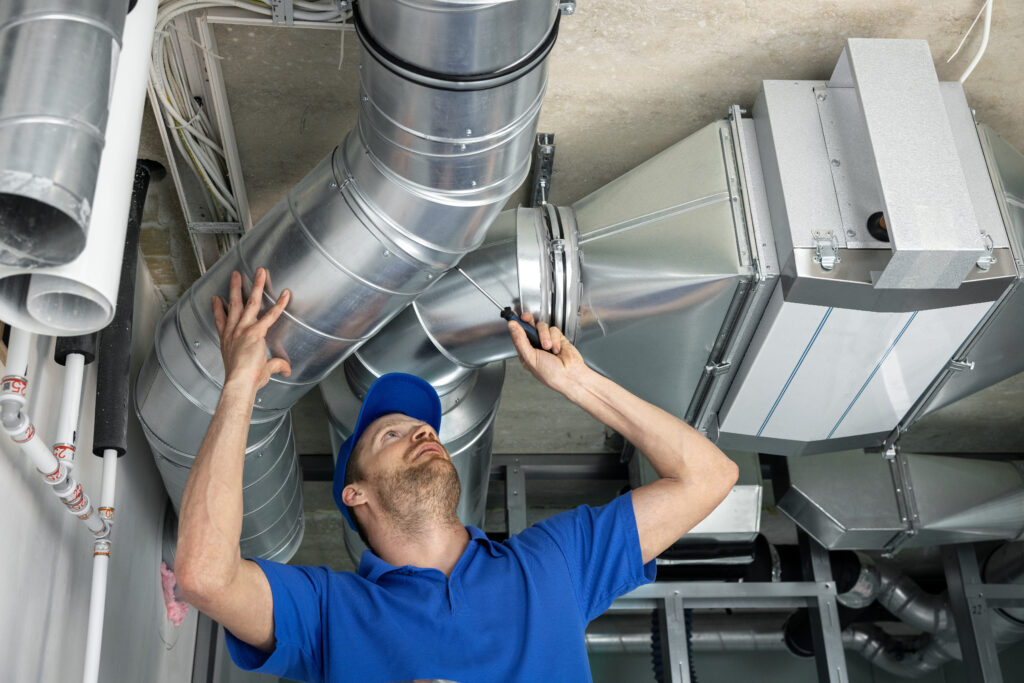
As cooler weather sweeps into Colorado, many Denver families turn on their furnaces for the first time in months. For some, the first cycle of the season comes with a surprise — odd or even alarming odors drifting through the house. L & L Heating and Air Conditioning knows this is one of the most common questions homeowners ask each fall: “Why does my furnace smell funny when I turn it on?”
The reassuring answer is that most furnace odors in autumn are completely normal and temporary. Still, there are times when smells point to safety issues that deserve quick professional attention. By learning what odors to expect, why they occur, and what steps keep them under control, you can enjoy a safe, comfortable, and worry-free heating season.
Why Furnaces Smell When First Turned On
When a furnace sits idle through Denver’s warm summer months, dust and debris naturally collect on burners, heat exchangers, and internal components. Once ignited, that buildup burns away, creating a brief “burning” smell. The U.S. Department of Energy explains that this odor typically disappears after a few hours of steady furnace operation and does not pose a hazard when the system is well-maintained.
Another factor is air ducts. Pollen, dander, and dust settle in ductwork over summer. When airflow resumes, those particles are pushed through vents, creating a musty or dusty smell. Families with pets or high humidity in their homes may notice stronger odors at startup.
Denver’s dry climate intensifies this process. Because homes accumulate dust more quickly here, the first heating cycle of the season often produces more noticeable smells than in milder regions.
Common Furnace Smells and What They Mean
Not every odor is harmless. Some are normal; others may indicate issues that require service. Here’s a breakdown of the most common furnace smells:
- Dusty or burning smell – Normal at the beginning of the season. Caused by dust burning off internal parts. Should fade within a few hours.
- Musty odor – Often linked to mold or mildew in ductwork or a damp filter. If it lingers, scheduling duct cleaning or filter replacement is wise.
- Metallic or electrical smell – May point to overheating components, frayed wiring, or a motor issue. These need immediate professional attention.
- Rotten egg or sulfur smell – A serious sign of a natural gas leak. Leave the home, call your gas utility, then contact an HVAC expert once the area is safe.
- Persistent smoke odor – Could mean incomplete combustion or a blocked vent. This increases the risk of carbon monoxide and should never be ignored.
The Centers for Disease Control and Prevention (CDC) emphasizes that carbon monoxide is particularly dangerous because it is colorless and odorless. Any smoke-like or combustion-related odor should trigger a check to ensure detectors are working and vents are clear.
Why Denver Homes Notice Furnace Odors More
Colorado’s unique climate and geography influence how and when odors appear:
- Altitude matters. At Denver’s elevation, thinner air impacts combustion. If a furnace isn’t properly calibrated, burning may produce stronger or more noticeable smells.
- Rapid weather swings. Colorado can shift from 80°F one day to snow the next. These quick changes mean furnaces cycle on and off more frequently, stirring up odors multiple times before settling into a steady rhythm.
- Dry, dusty conditions. With less humidity, dust builds faster inside homes. This dust collects on heating elements, creating stronger initial burning smells.
- Older homes in Denver. Many houses built decades ago have older duct systems where dust and mildew accumulate more readily, contributing to recurring musty odors each fall.
How to Reduce Furnace Odors
Preventing unpleasant odors begins with consistent furnace care. L & L Heating and Air Conditioning recommends:
- Changing filters before fall. A clean filter improves airflow, reduces dust, and captures odor-causing particles.
- Annual professional maintenance. Cleaning burners, exchangers, and fans helps minimize smells and keeps efficiency high.
- Duct inspection and cleaning. If musty odors persist, duct cleaning removes mold, mildew, and dust that accumulate over summer.
- Vent clearance. Ensure furniture and curtains are not blocking vents, which can trap odors and reduce airflow.
- Installing CO detectors. Detectors offer peace of mind and safety throughout the heating season.
Energy Star reports that households with regular HVAC maintenance enjoy better indoor air quality, lower heating costs, and fewer emergency repairs.
The Health Connection: Indoor Air Quality and Families
Odors aren’t just about comfort — they can affect health. The American Lung Association highlights that airborne particles and combustion byproducts irritate the lungs, especially for children, older adults, and people with asthma or COPD.
- Parents often notice kids reacting to “funny smells,” which can be worrying. Reassuring them that short-lived dusty odors are normal helps, while also keeping the household alert for stronger smells that may signal issues.
- Retirees or those with chronic conditions should be extra cautious. Portable air purifiers in bedrooms or living rooms during furnace startup can provide added protection.
- Families with pets may notice stronger odors due to hair and dander in ductwork. Frequent filter changes reduce this risk significantly.
When to Call a Professional
Some smells simply need patience. Others need quick expert attention. You should contact a furnace professional if:
- Odors linger more than 24 hours.
- You smell rotten eggs, smoke, or electrical burning.
- There are signs of uneven heating, cold spots, or weak airflow.
- You hear grinding, rattling, or squealing noises with odors.
- You see soot, scorch marks, or discoloration around vents.
L & L Heating and Air Conditioning has seen firsthand how early intervention prevents major problems. A homeowner in southeast Denver noticed a burning plastic smell and called immediately. It turned out a worn motor belt was overheating. Replacing the part cost a fraction of what an emergency furnace failure would have in midwinter.
Extra Steps for Fresher Indoor Air
Beyond furnace maintenance, consider these proactive steps to keep your Denver home’s air clean and fresh all season:
- High-efficiency filters (MERV 11+). These trap smaller particles, including those responsible for odors.
- Humidity control. Whole-home humidifiers help reduce dryness, which can intensify smells and irritants.
- Sealing and insulation. Draft-free homes circulate cleaner air and prevent odors from lingering.
- Ventilation balance. On clean-air days, open windows briefly after furnace startup to flush out dust.
FAQs About Furnace Smells in Denver Homes
Why does my furnace smell like burning dust in fall?
This is caused by dust and debris burning off furnace components after months of inactivity. It’s normal and should fade in a few hours.
How long should furnace odors last?
Most normal startup smells go away within one heating cycle. If odors persist beyond 24 hours, a professional inspection is advised.
Is a musty furnace smell dangerous?
Not always, but it can mean mold or mildew in ducts or filters. If the smell lingers, duct cleaning or filter replacement is recommended.
Can furnace odors affect my health?
Yes. While short-term dusty smells are harmless, persistent odors from gas leaks, mold, or combustion issues can impact health and should be addressed quickly.
What should I do if I smell gas?
Leave the home immediately, call your gas utility from a safe location, and once cleared, contact an HVAC professional. Never ignore sulfur or rotten egg smells.
Reassurance for Denver Families
The return of furnace smells each fall can be unsettling, but for most Denver households, these odors are just part of the seasonal transition. By recognizing which smells are normal and which require attention, families can stay safe, confident, and warm throughout the heating season.
L & L Heating and Air Conditioning is committed to helping local families with preventative maintenance, timely repairs, and expert advice. Schedule service early, replace filters before the first freeze, and enjoy the peace of mind that comes from knowing your home is prepared for the months ahead.





Read Our Reviews

Serving Front Range Denver from Arvada to Monument
Arvada
Aurora
Boulder
Brighton
Broomfield
Castle Pines
Castle Rock
Centennial
Cherry Hills Village
Commerce City
Denver
Edgewater
Elizabeth
Englewood
Evergreen
Foxfield
Franktown
Glendale
Golden
Greenwood Village
Highlands Ranch
Ken Caryl
Lafayette
Lakewood
Larkspur
Littleton
Lone Tree
Longmont
Louisville
Morrison
Northglenn
Parker
Roxborough Park
Sedalia
Sheridan
Thornton
Westminster
Wheat Ridge